Motorcycle riders face serious risks every time they travel Utah roads. Without the protection provided by passenger vehicles, riders are far more vulnerable to catastrophic injuries in crashes. Yet for many injured motorcyclists, the physical recovery is only one part of the challenge that follows a serious collision.
Many riders quickly discover they are being judged before the investigation is complete.
Insurance companies, drivers, and even witnesses sometimes make assumptions about motorcycle crashes almost immediately. Riders are often portrayed as reckless, speeding, or dangerous before all the evidence has been reviewed or the full circumstances of the collision are understood.
At Swenson & Shelley, our Utah motorcycle accident attorneys understand how frustrating and damaging these assumptions can become for injured riders and their families. In many cases, the initial narrative surrounding the crash does not reflect what actually happened.
Motorcycle Riders Often Face Immediate Bias After Crashes
Motorcycle riders are frequently treated differently from other drivers after collisions.
People may assume the rider:
- Was speeding.
- Was weaving through traffic.
- Took unnecessary risks.
- Lost control of the motorcycle.
- Was driving aggressively.
These assumptions often happen before:
- Witness statements are fully gathered.
- Crash reconstruction occurs.
- Vehicle data is reviewed.
- Road conditions are analyzed.
- Surveillance footage is examined.
In reality, many motorcycle crashes occur because other drivers fail to see riders, misjudge distance, or violate a rider’s right of way.
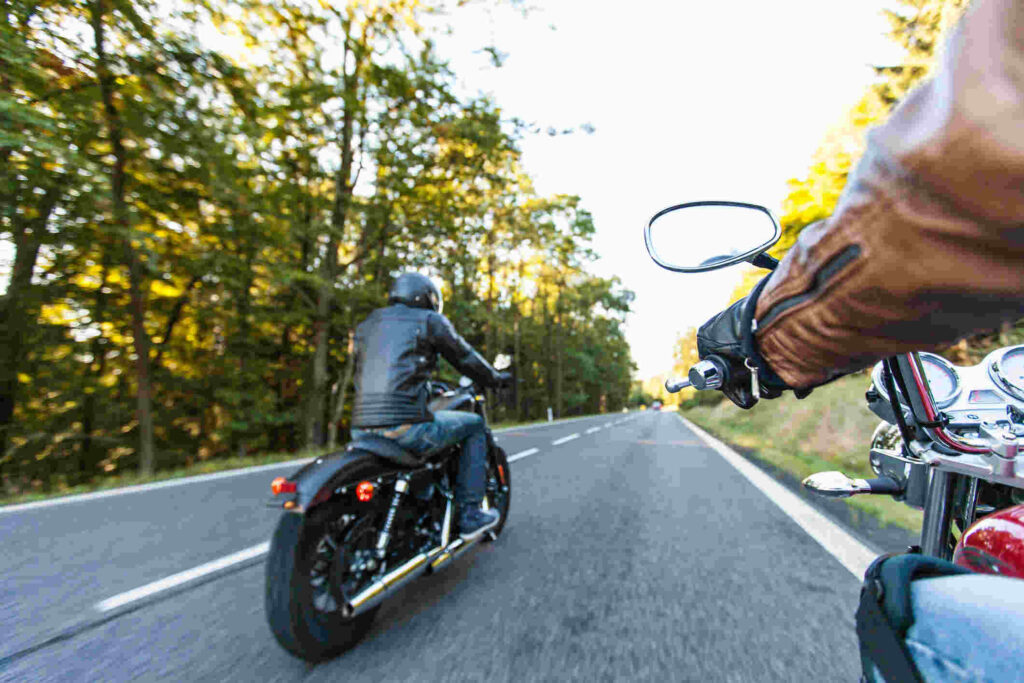
“I Never Saw the Motorcycle” Is Common in Utah Crash Cases
One of the most common statements after motorcycle crashes is:
“I never saw the motorcycle.”
Drivers often say this after:
- Left-turn collisions.
- Lane-change crashes.
- Intersection accidents.
- Merging collisions.
Unfortunately, failing to see a motorcycle does not necessarily mean the rider did anything wrong.
Motorcycles are smaller and less visually prominent than passenger vehicles, but drivers still have a legal duty to remain attentive and safely share the road.
Many serious Utah motorcycle crashes occur because drivers:
- Check mirrors too quickly.
- Misjudge motorcycle speed or distance.
- Become distracted.
- Focus only on larger vehicles.
- Fail to yield properly.
Severe Motorcycle Injuries Often Shape the Entire Case
Motorcycle crashes frequently result in catastrophic injuries because riders have very little physical protection during impact.
Even with helmets and protective gear, riders may suffer:
The seriousness of these injuries often creates substantial medical costs, lost income, and long-term rehabilitation needs.
At the same time, insurance companies may still attempt to focus attention on rider behavior rather than the full facts surrounding the collision.
Insurance Companies Sometimes Build Early Narratives Quickly
After serious motorcycle crashes, insurance companies may begin evaluating claims immediately.
In some cases, they look for ways to argue that the rider:
- Shared fault for the crash.
- Was traveling too fast.
- Failed to react appropriately.
- Assumed greater risk by riding a motorcycle.
This can create frustration for injured riders who know the crash occurred because another driver acted carelessly or failed to pay attention.
The problem is that early assumptions can sometimes influence:
- Claim evaluations.
- Settlement discussions.
- Witness perceptions.
- Overall liability disputes.
That is why a thorough investigation becomes so important in serious motorcycle injury cases.
Motorcycle Crash Evidence Often Tells a More Complete Story
The initial explanation after a crash does not always match the physical evidence.
Important evidence in motorcycle accident cases may include:
- Crash scene measurements.
- Vehicle damage patterns.
- Surveillance footage.
- Helmet and gear damage.
- Witness statements.
- Roadway conditions.
- Traffic signal timing.
- Electronic vehicle data.
In many cases, a detailed investigation reveals the rider was operating responsibly before another driver made a dangerous mistake.
Utah Roads Present Unique Risks for Riders
Utah riders face additional hazards due to:
- High-speed interstate traffic.
- Mountain road conditions.
- Tourist traffic.
- Sudden weather changes.
- Construction zones.
- Narrow roadway shoulders.
- Distracted driving in growing urban areas.
Motorcyclists often have less time and space to avoid collisions when drivers make sudden errors. These roadway conditions can make serious injuries even more likely.
Recovery After Motorcycle Crashes Is Often Long and Difficult
The road to recovery after a serious motorcycle crash can be physically, emotionally, and financially overwhelming.
Many riders face:
- Multiple surgeries.
- Extended rehabilitation.
- Chronic pain.
- Long-term disability.
- Emotional trauma.
- Loss of independence.
- Financial stress from missed work.
For many families, the crash affects nearly every aspect of daily life long after the collision itself.
Schedule Your Free Consultation With Swenson & Shelley to Help Utah Riders Protect Their Future
At Swenson & Shelley, we understand that motorcycle riders deserve to have the facts fully investigated before assumptions are made about what happened.
Our team works to protect injured riders, preserve important evidence, and help clients understand where they stand during a difficult and uncertain time. We know how quickly motorcycle crash claims can become complicated, especially when catastrophic injuries are involved.
If you or someone you love was injured in a motorcycle crash in Utah, call Swenson & Shelley at 435.334.2411 or contact us online for a free consultation. We are here to help you protect your rights, your recovery, and your future.
Related Blogs:
Kevin Swenson is an award-winning Utah injury attorney and co-founding partner of Swenson & Shelley. With over 30 years of experience, he uses his background as a former insurance defense lawyer to fight for injured individuals, helping clients recover and rebuild after serious accidents.
 (435) 767-7777