 (435) 767-7777
Salt Lake City Truck Accident Attorney

When a passenger vehicle collides with an 18-wheeler, semi-truck, or other large commercial vehicle, the people inside the smaller vehicle can pay an enormous price.
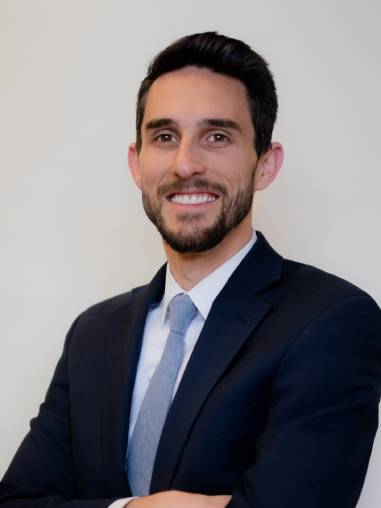
Kevin Swenson, Brian Shelley, and their law firm’s team of attorneys and support staff have represented injured people long enough to know that these crashes can leave families facing catastrophic injuries, long-term medical treatment, lost income, and questions about who will be held responsible.
At Swenson & Shelley, our Salt Lake City truck accident lawyers investigate commercial vehicle crashes throughout Salt Lake County and across Utah. These cases can involve far more than the truck driver’s actions.
A trucking company, vehicle owner, maintenance provider, cargo company, or manufacturer may also bear responsibility.
That makes what happens after the crash especially important. Trucking companies and their insurers may begin investigating immediately, while an injured person is still receiving emergency care.
If you or someone you love was seriously injured in a commercial truck crash, contact Swenson & Shelley for a free consultation. We can help you understand what happened, who may be responsible, and what options you have for moving forward.
Decades of Experience Representing Injured People in Utah
People searching for a Salt Lake City truck accident attorney should know who may be standing beside them when a powerful trucking company or insurance carrier disputes a claim.
Co-founding attorney Kevin Swenson has practiced law for more than 30 years and has handled thousands of lawsuits, many of which went to jury verdict. A Utah native raised in Bountiful, Kevin attended Westminster College and graduated from what is now the University of Utah S.J. Quinney College of Law.
Kevin began his legal career representing insurance companies. That work taught him how insurers evaluate claims, challenge allegations, and look for ways to reduce what they pay. In 2010, he changed sides and began using that knowledge to represent injured people.
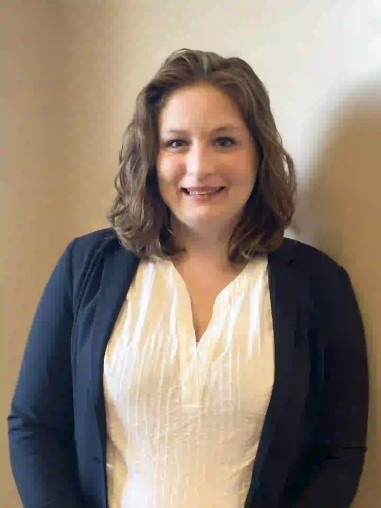
Co-founding attorney Brian Shelley earned his undergraduate degree in Business and Finance from Brigham Young University and graduated cum laude from Pepperdine University School of Law. He is licensed to practice law in Utah and California and has dedicated his career to helping injured people pursue fair treatment from insurance companies.
Kevin and Brian bring that experience directly to the people Swenson & Shelley represents. Their work is not simply about processing an insurance claim. It is about understanding what an injury has done to someone’s life and building a case that holds responsible parties accountable.
Large Truck Crashes Remain a Serious Risk on Utah Roads
Our attorneys see how Utah’s major transportation corridors put passenger vehicles in constant proximity to large commercial trucks. In Salt Lake City, that includes I-15 and I-80, the heavily traveled I-15/I-80 interchange near downtown, and routes connecting commercial traffic with industrial areas, distribution centers, and communities throughout the Salt Lake Valley.
The difference in size and weight between a passenger vehicle and a fully loaded commercial truck can make these collisions particularly destructive.
Federal Motor Carrier Safety Administration (FMCSA) crash data recorded 940 fatal and nonfatal large-truck crashes in Utah during 2024. Those crashes resulted in 401 injuries and 42 fatalities.
Behind every one of those numbers is a person or family dealing with consequences that statistics cannot measure. A serious truck crash may mean surgeries, rehabilitation, permanent disability, inability to return to work, or the loss of someone a family depended on.
Why Truck Accident Claims Are More Complicated Than Car Accident Cases
After handling serious injury cases for decades, our attorneys know that one of the biggest mistakes people can make is assuming a commercial truck crash is simply a larger version of an ordinary car accident.
Truck cases can be different in several important ways:
- The injuries may be catastrophic. The size and weight of commercial vehicles can generate tremendous forces during a collision.
- Multiple parties may share responsibility. The driver may not be the only person or company whose conduct contributed to the crash.
- Federal safety regulations may apply. Commercial carriers and drivers are subject to requirements that do not apply to ordinary motorists.
- Additional evidence may exist. Driver qualification records, electronic logging device data, inspection reports, maintenance files, dispatch information, cargo records, and other evidence may become important.
- Insurance coverage can be more complicated. Commercial policies, multiple corporate entities, and overlapping coverage can make it more difficult to identify available compensation.
- The trucking company may respond quickly. Carriers and their insurers may have investigators, attorneys, or other representatives working on the matter soon after a serious collision.
For an injured person, these differences make a prompt and thorough investigation especially important.
Who May Be Responsible for an 18-Wheeler Accident in Salt Lake City?
Kevin Swenson and Brian Shelley know that identifying the truck driver’s mistake may only be the beginning of a liability investigation. Commercial transportation depends on multiple people and businesses, and the conduct of more than one party can contribute to the same crash.
Potentially responsible parties may include:
- The Truck Driver
A commercial driver may be responsible for speeding, distracted driving, impairment, unsafe lane changes, following too closely, violating hours-of-service requirements, or other negligent conduct.
- The Motor Carrier
A trucking company may bear responsibility for its own conduct or the conduct of a driver under applicable law. Issues involving hiring, training, supervision, scheduling, safety practices, or regulatory compliance may require investigation.
- The Truck or Trailer Owner
The company that owns the tractor or trailer may not always be the same business operating it. Ownership arrangements should be examined when maintenance, inspection, or equipment issues contributed to the collision.
- A Maintenance Provider
A third-party mechanic or maintenance company may be held responsible when negligent inspection or repair work contributes to a mechanical failure.
- A Cargo or Loading Company
Improperly loaded, overloaded, or unsecured cargo can affect a truck’s stability, braking, and handling. A separate company responsible for loading or securing freight may therefore become part of the investigation.
- A Vehicle or Parts Manufacturer
A defective tire, braking component, steering system, coupling device, or other part can contribute to a commercial vehicle crash. When defective equipment is involved, product liability issues may arise in addition to negligence claims.
Determining which parties played a role can significantly affect both the evidence that must be preserved and the potential sources of compensation available to an injured person.
What Evidence Can Establish Liability in a Utah Truck Accident?
Our attorneys know that, after many passenger-vehicle collisions, commercial trucking cases can generate evidence that does not exist. Finding and preserving that information can help explain not only what the truck did immediately before impact, but why it happened.
Depending on the circumstances, we may investigate:
- Police reports and citations. Reports can provide information about the scene, drivers, witnesses, apparent violations, and the investigating officer’s observations.
- Electronic logging device records. These records may help determine whether the driver complied with applicable driving and rest requirements.
- Driver qualification records. A driver’s licensing, training, employment, and safety history may become relevant.
- Dispatch and scheduling records. These can help show whether delivery expectations or company practices contributed to unsafe driving.
- Inspection and maintenance records. Records may reveal neglected repairs, overdue maintenance, or recurring mechanical problems.
- Event data recorder information. Electronic vehicle data may provide evidence concerning speed, braking, and other vehicle activity before impact.
- Cargo records. Bills of lading, loading information, weight documentation, and securement records can matter when cargo contributed to a crash.
- Photographs and video. Dashcams, traffic cameras, nearby surveillance systems, and photographs from the scene may preserve critical evidence.
- Witness statements. Independent witnesses may have observed unsafe driving or events that the injured person could not see.
- Cellphone or communication records. These may become relevant when distraction is suspected.
- Expert analysis. Accident reconstructionists, trucking-industry professionals, engineers, medical experts, economists, or vocational experts may be needed in complex cases.
Some trucking evidence may be retained only for limited periods. Taking steps to preserve it early can prevent important information from disappearing.
Our Client’s Success Story
Federal Hours-of-Service Rules and Driver Fatigue
Our attorneys know that fatigue can be just as dangerous behind the wheel of a commercial truck as other forms of impairment. The difference is that interstate commercial drivers must follow specific federal requirements that limit how long they can drive without adequate rest.
The FMCSA hours-of-service rules are found in 49 C.F.R. Part 395. For many property-carrying commercial drivers, 49 C.F.R. § 395.3 establishes important driving and on-duty limits.
Subject to applicable exceptions, the rules generally provide that a property-carrying driver:
- May drive for a maximum of 11 hours after 10 consecutive hours off duty.
- May not drive beyond the 14th consecutive hour after coming on duty following 10 consecutive hours off duty.
- Must take a 30-minute break after eight cumulative hours of driving without at least a 30-minute interruption.
- Must comply with applicable limits on total on-duty time over seven- or eight-day periods.
These requirements matter because driver fatigue is not always obvious from the crash scene. A truck driver may tell an officer that they felt fine, while electronic logs, dispatch records, fuel receipts, delivery schedules, or other evidence tell a different story.
An hours-of-service violation does not automatically resolve every liability question. It can, however, become important evidence when fatigue contributed to a crash.
Common Causes of Commercial Truck Crashes in Salt Lake City
Kevin and Brian have learned that catastrophic truck crashes rarely happen without a reason. The investigation should identify not only the immediate driving error, but any company practice, equipment problem, or regulatory failure behind it.
Potential causes include:
- Speeding or driving too fast for conditions.
- Tailgating or following too closely.
- Unsafe lane changes.
- Failure to check mirrors and blind spots.
- Wide or improper turns.
- Driver fatigue.
- Distracted driving.
- Alcohol or drug impairment.
- Inadequate driver training or experience.
- Failure to inspect the truck.
- Poor vehicle maintenance.
- Brake or tire failures.
- Defective truck components.
- Overloaded trailers.
- Improperly secured cargo.
- Unsafe company scheduling practices.
- Driving too fast for snow, ice, rain, or limited visibility.
- Failure to account for congestion or changing road conditions.
Salt Lake City’s location adds another layer. Commercial drivers may be navigating dense downtown traffic, merging at the I-15/I-80 interchange, traveling through the Salt Lake Valley, or adjusting to winter conditions that can quickly affect braking and vehicle control.
The cause determines where the investigation goes next. A fatigue case requires different evidence than a brake-failure claim, and a cargo-shift collision raises different questions than a crash caused by a distracted driver.
How Utah Comparative Fault Can Affect a Multi-Party Truck Accident Claim
Our attorneys know that fault becomes especially complicated when several businesses contributed to a commercial truck crash. Utah law allows responsibility to be allocated among multiple parties, making it particularly important to identify everyone who played a role.
Under Utah’s modified comparative fault law, an injured person’s own fault does not automatically prevent recovery. Utah Code § 78B-5-818 allows a person seeking compensation to recover from a defendant or group of defendants whose combined fault exceeds the injured person’s fault, subject to Utah’s rules governing allocation and reallocation.
In a truck accident case, fault might be divided among parties such as:
- The truck driver for unsafe driving.
- The motor carrier for negligent safety practices.
- A maintenance company for faulty repair work.
- A cargo company for improper loading.
- A manufacturer for defective equipment.
- Another motorist whose conduct also contributed to the crash.
The injured person may also be assigned a percentage of fault if the evidence supports it.
This matters because Utah generally limits a defendant’s liability to the proportion of fault allocated to that defendant. A trucking case therefore requires careful investigation of every potentially responsible party rather than assuming one company will answer for everyone involved.
Insurance companies may also attempt to increase the injured person’s share of fault because doing so can reduce or, depending on the allocation, eliminate the amount recoverable. Preserving evidence that accurately establishes how the crash occurred can be critical when those arguments arise.
What Compensation May Be Available After a Utah Truck Accident?
Our attorneys evaluate a truck accident claim by looking at how the injuries have affected the person’s life and what those consequences are likely to mean in the future.
A serious commercial vehicle crash may result in compensation for losses such as:
- Emergency medical treatment.
- Hospitalization and surgery.
- Rehabilitation and physical or occupational therapy.
- Medication and medical equipment.
- Future medical care.
- Lost wages.
- Reduced future earning capacity.
- Out-of-pocket expenses.
- Pain and suffering.
- Emotional distress.
- Permanent impairment or disability.
- Scarring or disfigurement.
- Loss of enjoyment of life.
- Loss of consortium when legally available.
Catastrophic injuries may create needs that last decades. An injured person who cannot return to the same occupation, requires ongoing medical treatment, or needs assistance with daily activities should not have a claim evaluated solely on bills accumulated during the first few months after the crash.
Medical, vocational, economic, and other experts may be needed to help determine the full extent of those future losses.
A $2.2 Million Trucking Accident Settlement
Results matter when choosing an attorney to handle a serious commercial vehicle claim.
Swenson & Shelley has obtained a $2.2 million trucking accident settlement for an injured client.
Past results do not guarantee what will happen in another case. Every truck accident claim depends on its own injuries, evidence, available insurance, responsible parties, and other circumstances. A significant prior result, however, demonstrates the importance of thoroughly investigating these cases and pursuing every appropriate source of compensation.
What Can a Salt Lake City Truck Accident Lawyer Do for You?
Kevin Swenson and Brian Shelley understand that someone recovering from a serious injury should not also have to become an expert in federal trucking regulations, corporate structures, insurance coverage, and evidence preservation.
A Salt Lake City truck accident attorney can:
- Investigate the crash and preserve evidence.
- Identify potentially responsible drivers, companies, and other parties.
- Obtain trucking and driver records.
- Review applicable state and federal safety requirements.
- Determine available insurance coverage.
- Document injuries and current losses.
- Evaluate future medical and financial needs.
- Work with accident reconstructionists and other experts when appropriate.
- Communicate and negotiate with insurers.
- Challenge attempts to shift fault unfairly.
- File a lawsuit when litigation becomes necessary.
- Prepare the case for trial if a fair settlement cannot be reached.
Kevin’s earlier work defending insurance companies also gives him firsthand insight into how insurers evaluate and attack injury claims. That perspective can be especially useful in high-value cases where commercial insurers have strong incentives to dispute responsibility or damages.
How Long Do You Have to File a Truck Accident Lawsuit in Utah?
Our attorneys encourage injured people not to treat the legal filing deadline as a reason to wait. Even when years remain before a statute of limitations expires, important trucking evidence can disappear much sooner.
Many Utah personal injury actions based on negligence are subject to a four-year statute of limitations. Different deadlines can apply in particular circumstances, however, including claims involving governmental entities or other special situations.
Missing the applicable deadline can prevent an injured person from pursuing compensation through the courts.
Just as importantly, waiting can make the factual investigation harder. Electronic information can be lost, trucks may be repaired, physical evidence may disappear, and witnesses’ memories can fade. Speaking with an attorney early lets the legal team identify what evidence exists and take steps to preserve it.
What Can You Do to Protect Your Rights After a Salt Lake City Truck Crash?
Kevin and Brian know that the immediate aftermath of a catastrophic collision can be overwhelming. Medical care comes first, and no injured person should jeopardize their health trying to build a legal case from a hospital bed.
When circumstances permit, useful steps may include:
- Preserve photographs and videos. Keep any images taken at the scene, including photographs of the truck, trailer, vehicles, roadway, debris, skid marks, and injuries.
- Save documents. Maintain medical bills, receipts, wage records, repair information, and insurance correspondence.
- Keep witness information. Names and contact details can become important if liability is disputed.
- Avoid discussing the crash publicly. Social media posts can be taken out of context and used to challenge an injury claim.
- Seek appropriate medical care. Follow treatment recommendations and report new or worsening symptoms.
- Be cautious with insurance statements. Avoid guessing about fault, speed, distances, or injuries.
- Contact a truck accident lawyer promptly. An attorney can determine whether trucking records, electronic data, video, or other evidence needs to be preserved.
You do not need to know which federal regulation was violated or which corporate entity owned the trailer before contacting an attorney. Determining those facts is part of the investigation.
Where Are Salt Lake City Truck Accident Lawsuits Handled?
Our attorneys know that local knowledge matters most when a claim cannot be resolved with the trucking company or its insurer.
Civil litigation arising from crashes in Salt Lake County may proceed through Utah’s Third Judicial District, which serves Salt Lake, Summit, and Tooele counties. Depending on the parties and legal issues involved, some commercial trucking litigation may also be filed in federal court.
A crash near downtown Salt Lake City, along I-15, on I-80, or near the I-15/I-80 interchange can therefore evolve from a roadside investigation into complex litigation involving corporate defendants, federal safety rules, expert witnesses, and extensive discovery.
Swenson & Shelley prepares truck accident claims with that possibility in mind. The ability to negotiate effectively often depends on demonstrating that the case can continue into litigation when the responsible parties refuse to offer an appropriate resolution.
Why Work With Swenson & Shelley After a Salt Lake City Truck Accident?
Kevin Swenson and Brian Shelley have built their practice around representing injured people rather than insurance companies.
Kevin brings more than three decades of legal experience and the perspective of having previously defended insurers. Brian brings a finance background, a law degree earned cum laude, and a commitment to balancing the playing field for people facing powerful insurance companies.
For someone injured in a truck crash, that combination matters. A trucking case may require understanding the driver, the carrier, the regulations governing them, the available insurance coverage, the medical consequences of the injuries, and how all of those pieces fit together.
The firm’s goal is to handle that legal burden while giving clients the information they need to make decisions about their own lives.
Talk With a Salt Lake City Truck Accident Attorney
A serious commercial truck crash can leave you facing problems you never expected to have, from long-term medical care and time away from work to insurance questions and uncertainty about your family’s financial future.
You do not have to sort through those issues while a trucking company builds its defense.
Call (801) 447-5464 or contact Swenson & Shelley online for a free, no-obligation consultation with a Salt Lake City truck accident lawyer. The attorneys are available 24/7, and there are no upfront attorney fees. You pay attorney fees only if compensation is recovered for you.
Our Salt Lake City Attorneys Client Review
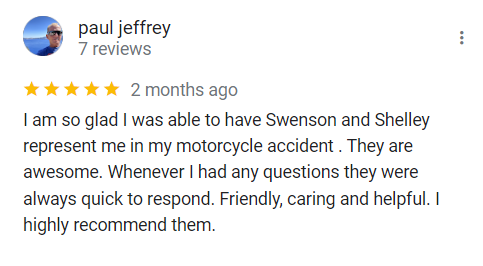
Please click here to give a review today
Our Attorneys Also Focus on the Following Areas:
Related Links:
- Choosing a Truck Accident Lawyer
- Truck Accident Available Damages
- Truck Accident Claim Going to Trial
- Truck Accident Injury Cases
- Most Dangerous Truck Companies
- 4 Truck Accident Tips
- How Technology and Coaching Can Improve Truck Driver Safety
- What is the Difference Between a Semi-Truck and a Truck?
- Start Your Truck Accident Claim Before It’s Too Late
Frequently Asked Questions For Truck Accident Attorney Salt Lake City
What Is the Difference Between a Truck Accident and a Car Accident Claim?
Truck accident claims often involve additional defendants, federal safety regulations, commercial insurance policies, corporate records, and types of electronic evidence that may not exist in an ordinary car accident case.
The injuries may also be significantly more severe because of the size and weight of a commercial vehicle. Those differences can make both liability and damages more complicated.
Can the Trucking Company Be Liable Even If the Driver Caused the Crash?
Yes, depending on the circumstances. The trucking company’s relationship with the driver and its own conduct must be investigated.
Issues involving hiring, training, supervision, maintenance, scheduling, safety policies, or regulatory compliance may become relevant. An attorney should examine the facts rather than assume the driver is the only responsible party.
What Happens If the Truck Driver Violated FMCSA Hours-of-Service Rules?
An hours-of-service violation may become evidence of unsafe conduct, particularly when fatigue contributed to the collision.
The investigation may involve electronic logging device information, driver logs, dispatch records, delivery schedules, and other records. A regulatory violation does not, by itself, answer every question of liability, but it can be an important part of establishing what happened and why.
What If I Was Partially Responsible for the Truck Accident?
Partial fault does not necessarily prevent recovery under Utah law. Utah uses a modified comparative fault system in which responsibility can be allocated among the injured person and other parties.
The percentage assigned to you can affect the amount you recover, and sufficiently high fault can prevent recovery. Because trucking cases can involve several defendants, fault allocation can become especially complicated.
How Long Do I Have to File a Utah Truck Accident Claim?
Many Utah negligence-based personal injury lawsuits are subject to a four-year statute of limitations, but exceptions and shorter deadlines may apply.
You should not assume that four years applies to your particular claim. An attorney can determine the appropriate deadline based on the parties and circumstances involved.
What If the Trucking Company Contacts Me After the Crash?
Be cautious about discussing the details of the collision or your injuries before you understand why the company is contacting you.
The carrier and its insurer may already be investigating potential liability. You can speak with an attorney before providing a detailed or recorded statement.
What Happens to the Truck’s Electronic Data After a Crash?
Commercial trucks may contain electronic information relevant to speed, braking, driving time, and other factors. What information exists and how long it remains available depends on the vehicle, systems involved, company practices, and circumstances.
That is one reason prompt evidence preservation can matter. An attorney can identify potentially relevant electronic information and take appropriate steps to seek its preservation.
Will My Truck Accident Case Have to Go to Trial?
Not necessarily. Many injury claims resolve through settlement, but a trucking company or insurer may dispute fault, the extent of the injuries, or the value of the claim.
Kevin Swenson has been involved in thousands of lawsuits over more than 30 years of legal practice, including cases that reached jury verdicts. Swenson & Shelley can pursue litigation when a fair resolution cannot be reached through negotiation.