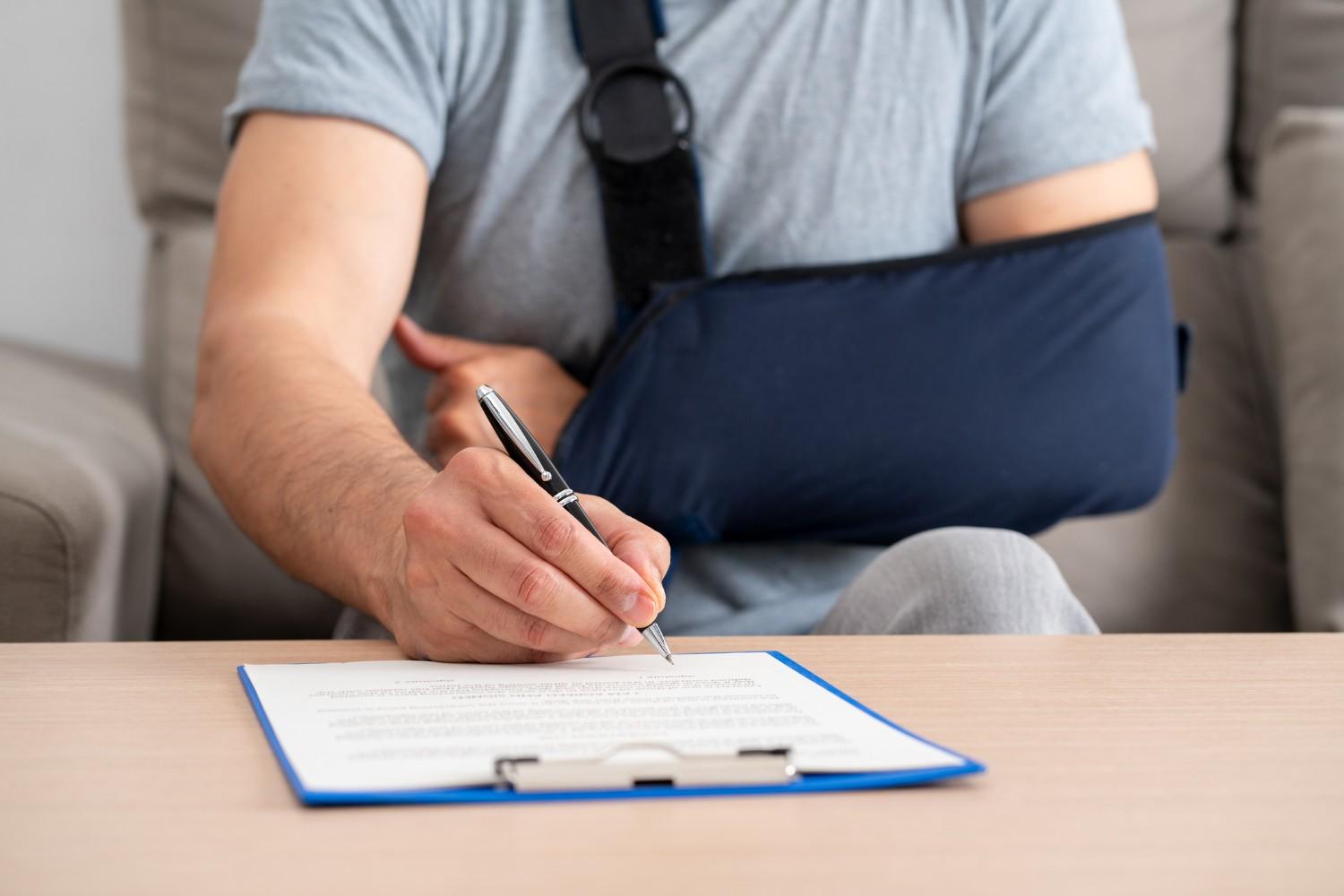
In the days and weeks following a serious Utah crash, most injured people are focused on one thing: getting through the next day.
Medical appointments begin piling up. Pain disrupts normal routines. Work schedules change. Families step in to help. Recovery quickly becomes a full-time responsibility.
What many crash victims do not realize is that while they are concentrating on healing, important decisions about their injury claim are often being made behind the scenes.
Insurance companies, investigators, adjusters, and claim representatives may begin evaluating the case almost immediately. Long before an injured person fully understands the extent of their injuries or recovery timeline, others are already assessing liability, damages, and financial exposure.
At Swenson & Shelley, our Salt Lake City personal injury attorneys understand that this hidden side of the claims process often surprises victims and families who are simply trying to focus on getting better.
The Claim Process Often Starts Before Recovery Does
Many people assume their claim will not truly begin until medical treatment is well underway.
In reality, insurance companies often begin reviewing a case shortly after a collision occurs.
Early activities may include:
- Reviewing police reports.
- Examining photographs of vehicle damage.
- Contacting drivers and witnesses.
- Evaluating available insurance coverage.
- Gathering preliminary information about injuries.
These early evaluations help insurers begin forming opinions about the claim long before recovery is complete.
Insurance Companies Assign Internal Values to Claims
One aspect of the process that many people never see involves internal claim evaluations.
As information becomes available, insurance companies may begin estimating:
- Potential financial exposure.
- Expected medical costs.
- Liability concerns.
- Litigation risk.
- Future claim value.
These assessments often evolve as additional information is collected, but they can influence how insurers approach the case from the very beginning.
The injured person is usually unaware that these discussions are taking place.
Medical Records Become Part of an Ongoing Review
While victims attend appointments and follow treatment plans, insurance companies often closely monitor the medical side of the claim.
Adjusters may review:
- Emergency treatment records.
- Physician notes.
- Diagnostic testing.
- Specialist evaluations.
- Physical therapy records.
- Work restrictions.
The goal is not simply to understand the injury. Insurers are also evaluating how the medical evidence may affect the claim moving forward.
As treatment progresses, the insurance company’s assessment may change as well.
Investigations Continue Behind the Scenes
Many serious crashes trigger investigations that continue long after the vehicles leave the roadway.
Depending on the circumstances, insurers may examine:
- Witness statements.
- Vehicle inspections.
- Crash scene evidence.
- Surveillance footage.
- Traffic camera recordings.
- Electronic vehicle data.
In some cases, investigators are attempting to confirm liability. In others, they may be looking for inconsistencies or alternative explanations for what occurred.
Most of this activity happens without direct involvement from the injured victim.
Serious Cases Often Receive Greater Scrutiny
As the potential value of a claim increases, investigations often become more detailed.
This is particularly true when a crash results in:
- Extended medical treatment.
- Significant time away from work.
- Permanent limitations.
- Ongoing rehabilitation needs.
- Substantial future expenses.
The larger the potential exposure, the more closely insurance companies often evaluate every aspect of the claim.
Recovery and the Claims Process Move on Different Timelines
One reason many people become frustrated is that healing and claim evaluations rarely move at the same pace.
Recovery is often measured in medical progress, daily challenges, and personal milestones.
Insurance companies, however, are focused on documentation, records, timelines, and risk assessments.
As a result, injured people sometimes feel as though nothing is happening while significant activity continues behind the scenes.
Understanding the Process Can Reduce Uncertainty
One of the most stressful aspects of a serious injury is feeling disconnected from what happens next.
Understanding that claim evaluations, investigations, and insurance reviews are occurring in the background can help explain why some cases take time to develop.
It can also help injured individuals make informed decisions while focusing on what matters most: their recovery.
Swenson & Shelley Helps Utah Crash Victims Navigate the Unknown
At Swenson & Shelley Law, we understand that recovery is difficult enough without having to wonder what is happening behind closed doors. Our team helps injured Utah crash victims understand the claims process, respond to insurance company tactics, and make informed decisions as their cases move forward.
When you are focused on healing, it helps to have someone focused on protecting your interests.
If you or someone you love was injured in a crash in Utah, call Swenson & Shelley at 435-334-2411 or contact us online for a free consultation. We can help you understand where your case stands, what challenges may lie ahead, and what steps may help protect your path forward.
Related Links:
Kevin Swenson is an award-winning Utah injury attorney and co-founding partner of Swenson & Shelley. With over 30 years of experience, he uses his background as a former insurance defense lawyer to fight for injured individuals, helping clients recover and rebuild after serious accidents.
 (435) 767-7777