 (435) 767-7777
Compassionate Wrongful Death Attorneys in St George, Utah
At Swenson & Shelley Law, our St. George wrongful death lawyers know that losing a loved one under any circumstance can be an overwhelming experience. Losing someone because of another person’s wrongful act, neglect, or default is devastating.
Tragically, it happens in Utah more than anyone would think.
Whether your loved one’s death was caused by a negligent driver, property owner, or third party, we want to help you understand your legal rights and options to hold the liable party accountable for their reckless action or inaction.
Contact our Washington County to learn more about our customized legal strategies so you can make an informed decision about the direction of your claim.

What are the Most Common Causes of Wrongful Death in Utah?
There is nothing ordinary about losing a loved one to negligence. Unfortunately, wrongful deaths occur throughout Utah and nationwide without notice, leaving families reeling from the emotional fallout.
Common causes of wrongful death in Utah include, but are not limited to:
- Auto Accidents.
- Bicycle Accidents.
- Boating Accidents.
- Bus Accidents.
- Construction Accidents.
- Dog Bite Injuries.
- Motorcycle Accidents.
- Pedestrian Accidents.
- Sex Abuse Claims.
- Slip & Fall Incidents.
- Truck Accidents.
- Uber / Lyft Rideshare Accidents.
If you have lost a loved one because of a person’s wrongful act, neglect, or default, we want to hear your story so we can help you pick up the pieces and pursue the liable party for the compensation you and your family need to move forward. Contact our St. George wrongful death lawyers today to schedule a free consultation to learn how we can help.
Who is Eligible to Pursue a Wrongful Death Claim in Utah?
According to Utah’s wrongful death statute, the following individuals are eligible to pursue a wrongful death claim:
- Surviving Spouse.
- Surviving Children.
- Surviving Parents.
- Personal Representative of the Deceased Person’s Estate.
Utah law specifies the priority order for who may bring a wrongful death claim. If there are multiple eligible parties, the right to bring a claim typically falls to the highest-priority party on the list, including the surviving spouse over surviving children, surviving children over surviving parents, and then the personal representative.
If you have questions about your eligibility to file a claim, contact our skilled wrongful death attorneys in St. George today.
What Types of Compensation Can I Pursue When Filing a Wrongful Death Claim in Utah?
The specific damages recoverable in each wrongful death case will depend on factors like the circumstances of the death, the relationship between the deceased person and the claimants, and the evidence presented to support the claim. To follow are common forms of compensation we help our clients pursue.
- Economic Damages
Economic damages are tangible losses that can be quantified in monetary terms and typically include:
- Medical Expenses.
- Funeral and Burial Expenses.
- Loss of Financial Support.
- Loss of Household Services.
- Non-Economic Damages
Non-economic damages are intangible losses that are difficult to assess in monetary terms and typically include:
- Pain and Suffering.
- Loss of Companionship.
- Loss of Consortium.
In extreme negligence, recklessness, or intentional misconduct, punitive damages may be awarded to punish the responsible party and deter similar behavior.
If you believe your loved one’s loss was the result of another party’s negligence, contact our skilled wrongful death lawyers in St. George today to assess the details of your case during a free consultation.
We understand no amount of money will bring your loved one back, but it may help provide the time you and your family need to fully grieve and give you the sense of justice you need to move forward.
How Long Do I Have to Pursue a Wrongful Death Claim in Utah?
The statute of limitations establishes that wrongful death claims in Utah must be filed within two years after the date of the deceased’s death. It must be filed within one year if the claim is against a government agency.
The sooner you contact our experienced St. George wrongful death attorneys, the quicker we can begin preserving critical evidence that will help us build your case for success.
Call us today at (435)-228-7647 or contact us online to schedule a free, no-obligation consultation where you can learn immediately whether your claim is eligible to move forward with legal action.
We do not charge any fees upfront for our services. Instead, you pay us only if we secure payment for you. That makes getting legal help accessible and allows you to focus on your recovery. Contact us now to learn more.
Our St. George Attorneys Client Review
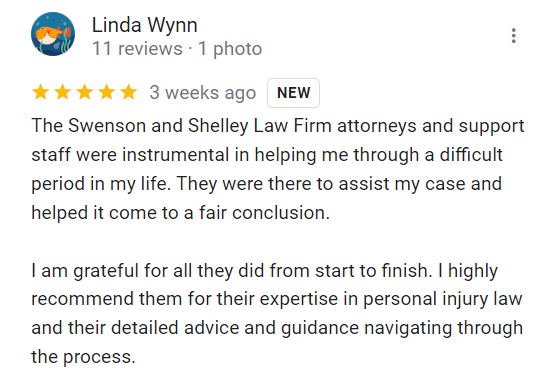
Please click here to give a review today
Frequently Asked Questions for Our St. George Wrongful Death Attorneys
What happens if the person who caused my loved one's death doesn't have insurance or assets?
Even when the at-fault party lacks insurance or significant assets, you may still have options. Many wrongful death cases involve multiple potentially liable parties, for instance, in a workplace accident, both an equipment manufacturer and a property owner might share responsibility. In motor vehicle accidents, your loved one’s uninsured motorist coverage might apply to a wrongful death claim. Commercial entities often carry substantial liability policies that individuals don’t have. Our St. George wrongful death attorneys investigate every angle of your case to identify all possible sources of compensation. We’ve recovered meaningful settlements for families even when the initial situation looked financially impossible. The circumstances of each loss are unique, and a thorough investigation often reveals recovery options that weren’t immediately apparent. Contact us to discuss the specific details of your situation during a free consultation.
Can I still file a claim if my family member's death was ruled an accident by authorities?
Absolutely. The determination made by police or other investigating authorities at the scene focuses on whether criminal charges are warranted, that’s a completely different standard than civil liability. Law enforcement might conclude no crime occurred, yet negligence may still be present. We’ve successfully represented families in cases where no criminal charges were filed because the evidence of civil negligence was clear. Our Utah wrongful death attorneys conduct independent investigations that often uncover details the initial accident report didn’t capture.
What if my loved one was partially at fault for the accident that killed them?
Utah follows a “modified comparative negligence” rule, which means you can still recover compensation even if your loved one bore some responsibility for the accident, as long as their fault was less than 50%. If your loved one was 30% at fault and the other party was 70% at fault, your recoverable damages would be reduced by 30%. Insurance companies will often try to shift as much blame as possible onto the deceased to minimize what they have to pay, which is why having experienced legal representation matters so much. Our team gathers evidence, including accident reconstruction analysis, witness statements, and traffic camera footage, to accurately establish fault percentages. Don’t let an insurance company’s initial assessment discourage you from pursuing justice for your family
How do we decide which family member should file the wrongful death lawsuit?
Utah law establishes a priority system, but the practical answer depends on your family’s specific circumstances. The surviving spouse typically has the first right to file, followed by children, then parents, and finally the estate’s personal representative. However, all eligible family members can be part of a single lawsuit and share in any recovery. We often see situations where a spouse and adult children work together, pooling their different types of losses into one comprehensive claim. The spouse might claim loss of financial support and companionship, while adult children claim loss of parental guidance and relationship. If family members disagree about whether to pursue a claim or how to proceed, the court can appoint a representative to act on everyone’s behalf. We help families navigate these sensitive decisions with compassion, ensuring everyone’s interests are protected. Sometimes having an outside attorney coordinate these discussions helps prevent family conflicts during an already painful time.
What evidence do I need to save right now to protect my claim?
Start by preserving everything related to your loved one’s final days and the incident that caused their death. Keep all medical records, ambulance reports, and hospital bills. If the death occurred in an accident, save any photos from the scene, dashcam footage, or witness contact information you have. Don’t repair damaged vehicles or property until we’ve had a chance to inspect them; this evidence can be crucial. Save your loved one’s financial records, including pay stubs, tax returns, and documentation of household contributions. Keep a journal documenting how the loss has affected your family emotionally and practically. Write down memories and specific examples of what your loved one contributed to your household; these details become harder to recall as time passes. If you’re receiving sympathy cards or letters, save them; they can demonstrate the depth of community impact. The most important step is to contact our St. George wrongful death lawyers quickly, because some evidence disappears rapidly. Surveillance footage gets erased, witnesses forget details, and physical evidence deteriorates. We can send preservation letters to parties who control important evidence, legally requiring them to save it.
Will filing a wrongful death lawsuit interfere with the criminal case against the person who killed my loved one?
No, your wrongful death lawsuit will proceed on a separate track from any criminal prosecution. Criminal and civil cases have different purposes, different standards of proof, and different outcomes. The criminal case seeks to punish wrongdoing and protect society, while your civil case seeks compensation for your family’s losses. In fact, these cases can actually complement each other. Evidence gathered during criminal investigation often helps civil cases, and criminal convictions can make civil cases stronger, though a conviction isn’t required for you to win your civil claim. Your participation in a civil lawsuit won’t prejudice the criminal case, and you’re entitled to pursue both remedies simultaneously.
How is compensation divided among multiple family members in a wrongful death case?
Utah law doesn’t provide a rigid formula for distributing wrongful death compensation among surviving family members. Instead, courts consider each family member’s relationship with the deceased and their individual losses. A surviving spouse who depended on the deceased’s income will typically receive compensation for lost financial support, while children might receive compensation for lost parental guidance and companionship. Everyone who was close to the deceased can claim damages for their grief and loss of the relationship. The key is demonstrating the unique impact on each person. We help families present evidence of these individual losses, showing, for example, how a father coached his daughter’s soccer team, or how a mother provided childcare that allowed her adult daughter to work.
What if the person or company responsible for my loved one's death files for bankruptcy?
Bankruptcy complicates wrongful death claims but doesn’t necessarily eliminate your ability to recover compensation. When a defendant files bankruptcy, your claim becomes part of the bankruptcy proceedings, and you’ll need to file a proof of claim with the bankruptcy court. However, wrongful death claims often receive priority treatment in bankruptcy because they involve personal injury. More importantly, liability insurance policies aren’t affected by the policyholder’s bankruptcy, insurance funds remain available to pay valid claims. For example, if a trucking company that killed your loved one files bankruptcy, their commercial liability insurance would still cover your wrongful death claim up to policy limits. Many defendants also have multiple insurance policies that might apply, general liability, umbrella policies, and excess coverage. Our experienced wrongful death attorneys understand how to navigate bankruptcy proceedings while pursuing all available insurance coverage.
Can we settle a wrongful death claim without going to trial?
Yes, most wrongful death cases settle before trial, and settlement offers several advantages for grieving families. Trials are public, emotionally draining, and unpredictable, juries might award more or less than expected. Settlement provides certainty, privacy, and faster resolution, allowing families to move forward with their lives sooner. We gather compelling evidence, hire necessary expert witnesses, and build a presentation that demonstrates the full value of your loss. This preparation strengthens our negotiating position. We never recommend accepting a settlement that doesn’t fairly compensate your family for their losses. Many families tell us they felt pressured by insurance companies to settle quickly for inadequate amounts before contacting us. We protect you from these tactics and negotiate from a position of strength. If the insurance company won’t offer fair value, we’re absolutely prepared to present your case to a jury.