 (435) 767-7777
Skilled Dog Bite Injury Attorneys in Salt Lake City, Utah
 At Swenson & Shelley Law, our Salt Lake City dog bite injury lawyers know that even the most well-trained canines can unexpectedly bite or attack someone they know or a complete stranger.
Dogs communicate using body language, vocalizations, and other subtle cues that humans may not always understand or recognize. What may seem like sudden aggression or unpredictability to humans may be a response to perceived threats or stressors that were not readily apparent.
Unfortunately, when dogs do bite—especially a child or aging individual—the injuries can be severe, requiring long-term care, often leading to scarring or disfigurement.
Utah has a strict liability law for dog bites, which means that dog owners are automatically liable for injuries caused by their dogs. This law applies even if the dog has never bitten before, is well-trained, or is scared.
In most cases, an estimated 75% of dog bite victims in Utah and nationwide are bitten by a dog they know. This could mean a dog belonging to a neighbor, coworker, friend, or family member. We understand taking legal action against a friend or family member can strain or damage relationships, causing emotional distress and potential rifts within the family or social circle.
This is why we are here. Our Salt Lake County personal injury attorneys help our clients pursue compensation through the dog owner’s insurance policies, such as homeowners insurance or liability insurance, so they can maintain their relationship while we handle the details of their claims. If a dog has bitten you or someone you love, contact our Salt Lake City personal injury lawyers today to learn more about your legal rights and options to pursue the best outcome for your unique claim.
When the Worst Has Happened, We Fight for What’s Best for You.
Why Do Dogs Bite Without Provocation in Salt Lake City, Utah?
Dogs may bite when feeling threatened or fearful, even without provocation. Fear-induced aggression can be triggered by unfamiliar people, animals, or situations, as well as loud noises, sudden movements, or changes in their environment.
Other reasons may include dogs that exhibit territorial aggression, especially in their home environment, or defend their food, toys, or sleeping areas. Even friendly dogs may become aggressive if they perceive a threat to their territory.
Dogs may also bite to protect themselves, their owners, or their puppies from perceived threats or intruders. Interactions with strangers, other animals, or perceived dangers can trigger this protective behavior.
In addition, irresponsible ownership practices, such as inadequate supervision, neglect, or abuse, can lead to behavioral issues in dogs that may manifest as aggression or biting.
No matter the reason, Utah dog owners are automatically liable for injuries caused by their dogs under any circumstances. If a dog in Utah has bitten you or someone you love, contact our experienced Salt Lake City dog bite attorneys today to schedule a free consultation and learn how we can help you pursue the dog’s owner for your complete financial recovery needs.
Salt Lake City Dog Bite Statistics
Currently, Salt Lake City experiences a significant number of dog bite incidents annually, with the Utah Department of Health reporting that over 600 dog bite cases were recorded in the state last year alone. The majority of these cases involve children, particularly those under the age of 15. In Salt Lake City specifically, dog bites often occur in residential neighborhoods and parks, emphasizing the importance of responsible pet ownership and public awareness.
Additionally, it’s noted that the breeds most frequently involved in attacks include mixed breeds, pit bulls, and retrievers. The city encourages reporting any dog bites to local authorities to help track incidents and promote community safety.
What Factors Contribute to the Severity of Dog Bite Injuries in Salt Lake City, Utah?
The severity of dog bite injuries depends on a combination of factors, including the dog’s size and breed, the bite’s location and depth, the presence of infection or complications, and the individual characteristics of the victim.
Several factors contribute to the severity of dog bite injuries:
- Bite Force
The dog’s size and breed can influence its bite force. Larger breeds or dogs with strong jaws may inflict more severe injuries due to their greater bite force.
- Location of the Bite
The location of the bite on the body can affect the severity of the injury. Bites to sensitive areas such as the face, neck, or hands may cause more significant damage and have a higher risk of complications.
- Depth of the Wound
The depth of the bite wound can vary depending on factors such as the size of the dog’s teeth, the bite’s force, and the attack’s duration. Deep puncture wounds can damage underlying tissues, muscles, nerves, and blood vessels, leading to more severe injuries.
- Number of Bites
Multiple bites, particularly in rapid succession or sustained attacks, can increase the overall severity of injuries. Each additional bite adds to the cumulative damage inflicted on the victim.
- Infection Risk
Dog bites can introduce bacteria from the dog’s mouth into the wound, increasing the risk of infection. Infections can lead to complications such as cellulitis, abscesses, or systemic diseases like sepsis, which can significantly worsen the outcome of the injury.
Dog bites can cause various types of tissue damage, including lacerations, puncture wounds, and crushing injuries. They can also damage nerves and blood vessels, leading to sensory loss, motor dysfunction, or impaired circulation in the affected area, which can result in long-term functional deficits and complications.
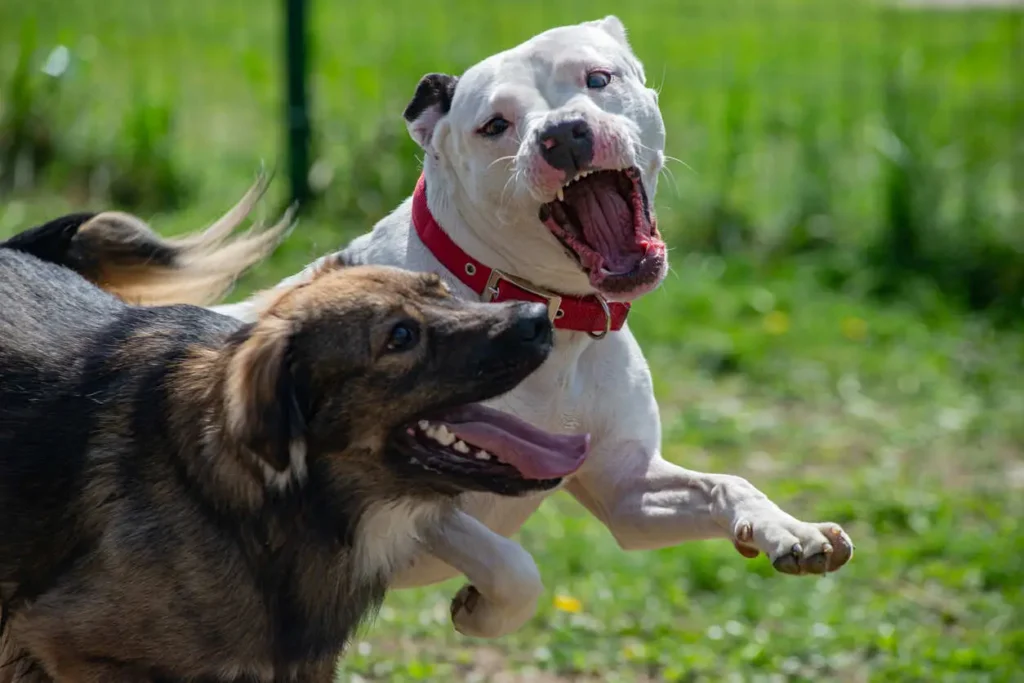
In some cases, dog bites may cause fractures or dislocations of bones in the affected area, particularly if the victim tries to defend themselves or escape from the attack. Worse, psychological trauma can exacerbate the overall severity of the injury and impact the victim’s quality of life.
Prompt medical evaluation and treatment are essential to minimize the severity of injuries and prevent complications. Once you have sought and received medical care, please take the next step in your recovery by contacting our skilled Salt Lake City dog bite injury attorneys for help.
Our Attorneys Also Focus on the Following Areas:
- Car Accident
- Brain Injury
- Motorcycle Accident
- Truck Accident
- Uber & Lyft Rideshare Accident
- Wrongful Death
Contact Our Leading Dog Bite Injury Lawyers in Salt Lake City, Utah
Call us today at (801)-447-5464 or contact us online to schedule a free, no-obligation consultation where you can learn immediately whether your claim is eligible to move forward with legal action.
We do not charge any fees upfront for our services. Instead, you pay us only if we secure payment for you. That makes getting legal help accessible and allows you to focus on your recovery. Contact us now to learn more.
Our Salt Lake City Attorneys Client Review

Please click here to give a review today
Related Links:
- 3 Dog Bite Questions
- Utah Dog Bite Laws
- Do I Have a Valid Dog Bite Claim?
- Insurance Coverage After a Dog Bite
- Dog Owner Doesn’t Have Insurance in Utah
Frequently Asked Questions for Our Dog Bite Attorney in Salt Lake City
What should I do immediately after a dog bite in Salt Lake City?
If you are bitten by a dog, your immediate action should be to seek medical attention to treat any wounds and prevent infection. Document the bite with photos and gather information about the dog and its owner. Report the incident to local animal control and contact a personal injury attorney to discuss your legal options.
How can a dog bite attorney help me with my case in Salt Lake City?
A dog bite attorney can help you by investigating the circumstances of the attack, gathering evidence, and building a strong case to pursue compensation for your injuries. They will handle negotiations with insurance companies, advocate on your behalf, and ensure you receive fair compensation for medical expenses, pain and suffering, and other damages.
What kind of compensation can I expect from a dog bite claim in Salt Lake City?
Compensation can vary based on the severity of your injuries and the impact on your life. Generally, you may be entitled to compensation for medical expenses, lost wages, pain and suffering, emotional distress, and any necessary future medical treatments. Your attorney will help assess the full extent of your damages and pursue the appropriate compensation.
How long do I have to file a dog bite claim in Salt Lake City?
In Utah, the statute of limitations for personal injury claims, including dog bites, is typically four years from the date of the incident. It’s crucial to file your claim within this period to ensure your right to compensation. Consulting an attorney as soon as possible can help you meet deadlines and preserve evidence.
Can I file a claim if the dog owner was not negligent?
Even if the dog owner did not act negligently, you may still have a valid claim if the dog had a history of aggressive behavior or if the owner violated local leash laws. Utah’s dog bite laws can hold owners accountable even in cases where they may not have directly caused the bite. Your attorney can help evaluate the specifics of your case.
What if the dog owner’s insurance denies my claim?
If the dog owner’s insurance denies your claim, an attorney can assist you by reviewing the denial reasons and gathering additional evidence to support your case. They can negotiate with the insurance company or pursue legal action if necessary to secure the compensation you deserve.
What evidence will I need to support my dog bite claim?
Key evidence for a dog bite claim includes medical records documenting your injuries, photos of the bite and any related damages, witness statements, and a record of any communication with the dog owner and insurance company. An attorney can help gather and organize this evidence to build a strong case.
How can I find out if the dog that bit me has a history of aggression?
You can check with local animal control or public health departments to see if there have been previous reports of the dog’s aggressive behavior. Your attorney can also assist in obtaining this information and incorporating it into your case to demonstrate the owner’s responsibility.