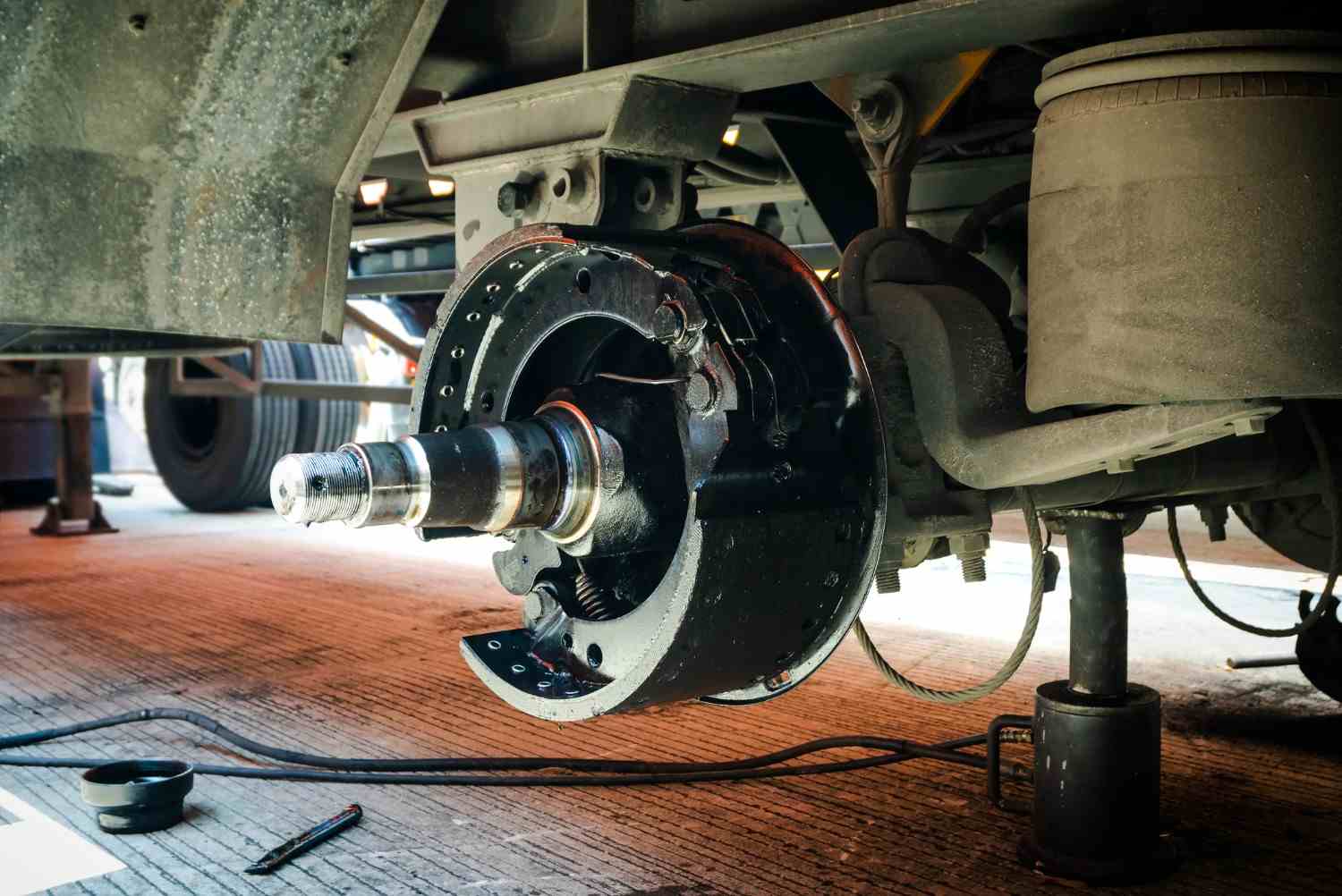
A commercial truck approaches slowing traffic on a Utah highway. The driver applies the brakes, but the truck continues forward, striking the vehicles ahead. Investigators examine the braking system and discover that it was functioning properly.
So why couldn’t the truck stop?
The answer may involve what the truck was carrying, how much it weighed, and whether the cargo was loaded and secured correctly.
Commercial trucks are designed to transport substantial loads, but their weight and balance directly affect braking performance and vehicle stability. When cargo is overloaded, unevenly distributed, or improperly secured, even a mechanically sound truck can become dangerously difficult to control.
At Swenson & Shelley, our Salt Lake City truck accident attorneys recognize that some serious collisions require an investigation extending beyond the driver’s conduct to the companies and individuals responsible for preparing the truck for travel.
How Does Cargo Weight Affect a Commercial Truck’s Stopping Distance?
A fully loaded tractor-trailer requires considerably more distance to stop than a typical passenger vehicle.
As cargo weight increases, the braking system must dissipate more energy to bring the truck to a stop.
Commercial vehicles have weight restrictions for a reason. Exceeding applicable limits can compromise braking performance, increase stress on tires and suspension components, and make emergency maneuvers more dangerous.
Even when a truck stays within its overall legal weight limit, its load can still cause problems if too much weight is concentrated on particular axles.
Investigators may examine weigh station records, shipping documents, bills of lading, and cargo measurements to determine whether the truck was loaded within applicable limits.
Why Load Distribution Matters Even When the Truck Isn’t Overweight
A tractor-trailer can comply with its overall weight limit and still be improperly balanced.
Cargo concentrated too far forward, too far toward the rear, or disproportionately on one side can change how the vehicle handles.
Uneven weight distribution may affect:
- Braking Performance: Excessive weight on certain axles can alter how effectively the truck slows down.
- Steering Control: Improper weight placement can reduce stability and affect the driver’s ability to maneuver.
- Rollover Risk: A high or uneven center of gravity can make the trailer more susceptible to tipping during turns.
- Tire Performance: Excessive axle loads can place additional stress on tires.
- Trailer Stability: Improper distribution can contribute to swaying or other handling problems.
These conditions may not be apparent to other motorists sharing the roadway.
What Happens When Cargo Shifts During Travel?
Even a properly weighted load can become dangerous if it is not adequately secured.
Cargo that moves during braking, cornering, or sudden steering maneuvers can change the truck’s center of gravity and affect vehicle control.
For example, a trailer carrying heavy industrial equipment may become unstable if the equipment shifts toward one side during a turn.
Similarly, unsecured materials can slide forward during hard braking, potentially damaging the trailer or changing the forces acting on the vehicle.
Federal cargo securement regulations establish requirements for restraining loads during transportation. Depending on the cargo, compliance may involve properly rated tie-downs, blocking, bracing, or specialized securement equipment.
Evidence of damaged restraints, displaced cargo, or improper loading methods may help explain why a collision occurred.
Could a Loading Company Share Responsibility for a Utah Truck Crash?
Commercial cargo does not always originate with the trucking company or driver.
Warehouses, freight handlers, shipping companies, and third-party loading contractors may help prepare a trailer for transport.
When improper loading contributes to a collision, investigators may need to determine who controlled the process.
Relevant questions include whether:
- The cargo exceeded applicable weight restrictions.
- Weight was distributed appropriately across the trailer and axles.
- Required securement equipment was used correctly.
- The load was inspected before departure.
- A separate company performed or supervised the loading.
Responsibility depends on the circumstances, including each party’s role, applicable duties, and whether the loading problem contributed to the crash.
Why Cargo Evidence Can Be Critical After a Collision
After a serious truck accident, cleanup operations may remove, transfer to another trailer, or discard cargo.
Those changes can make it difficult to reconstruct the truck’s condition before impact.
Shipping records, loading diagrams, cargo photographs, weight tickets, inspection reports, and electronic vehicle information may help investigators evaluate whether the load affected braking or stability.
Preserving this evidence is especially important when the truck’s mechanical systems appear to have operated normally.
Investigating the Load Behind a Serious Utah Truck Accident
A functioning braking system does not necessarily establish that a commercial truck was safe to operate. Cargo weight, distribution, and securement can substantially influence how a truck responds when its driver needs to stop or maneuver.
Swenson & Shelley’s Salt Lake City truck accident attorneys investigate serious commercial vehicle collisions, including whether unsafe loading practices or failures by companies involved in transporting cargo contributed to the injuries.
If you or a loved one suffered injuries in a Utah truck accident, call Swenson & Shelley Law at 435-228-7647 or contact us online for a free consultation. Our team can review the crash circumstances, identify potentially responsible parties, and help you pursue compensation for your losses.
Kevin Swenson is an award-winning Utah injury attorney and co-founding partner of Swenson & Shelley. With over 30 years of experience, he uses his background as a former insurance defense lawyer to fight for injured individuals, helping clients recover and rebuild after serious accidents.
 (435) 767-7777