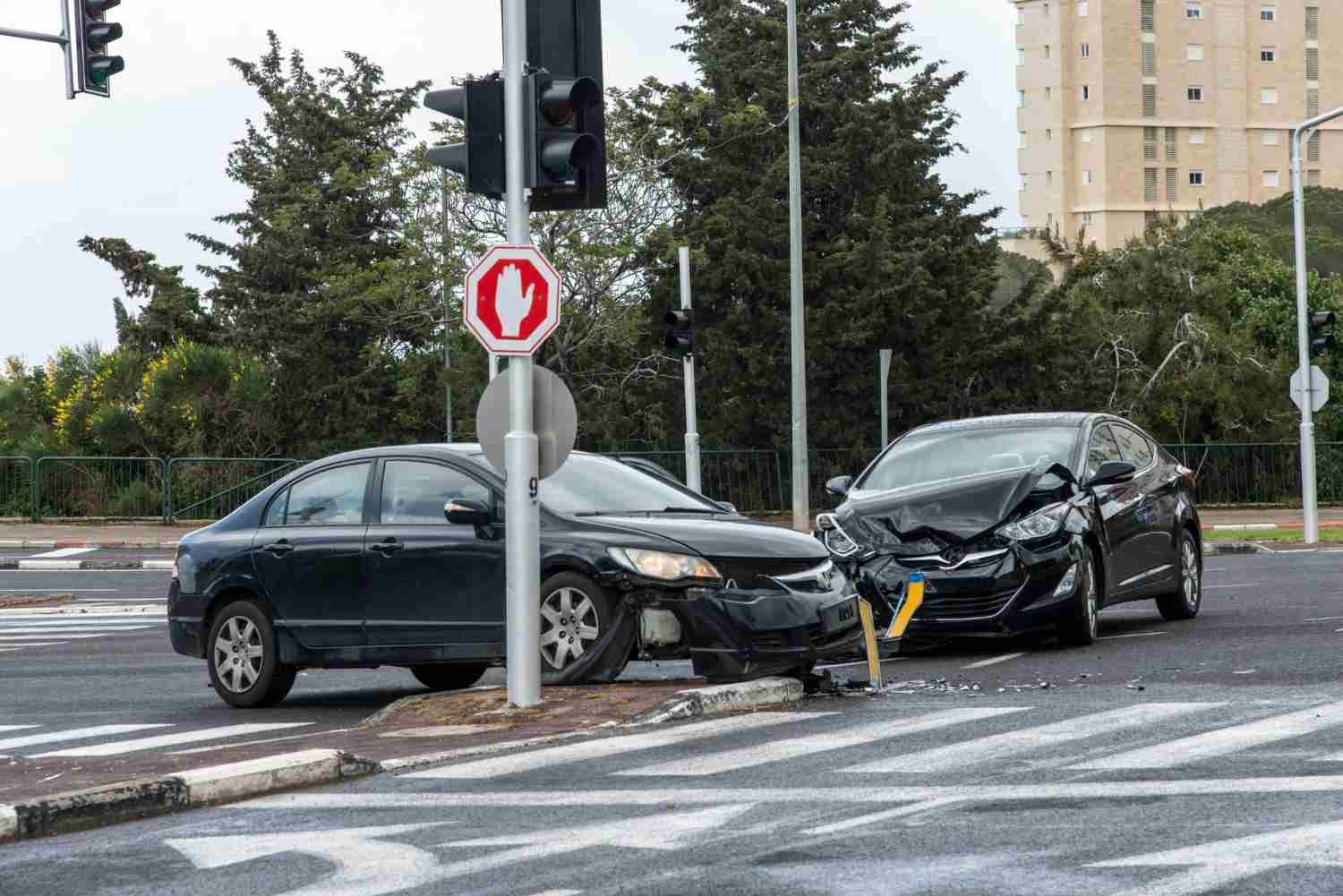
“You came out of nowhere.”
It is a common explanation after an intersection crash. A driver turns left in front of a motorcycle, enters a crosswalk while a pedestrian is crossing, or pulls into the path of an approaching vehicle and insists there was simply no time to react.
But people don’t appear out of nowhere. When drivers disagree about what happened at a Utah intersection, the evidence may reveal what each person could see, when they should have seen it, and who had the opportunity to avoid the collision.
At Swenson & Shelley, our Salt Lake City personal injury attorneys investigate serious intersection crashes to determine whether the physical and electronic evidence supports what the drivers say happened.
Intersection Crashes Can Unfold in Seconds
Intersections require drivers to process several things at once. They may need to watch traffic signals, judge the speed of approaching vehicles, check for pedestrians and bicyclists, and decide whether they have enough time to turn safely.
A single mistake can have serious consequences.
Consider a driver waiting to make a left turn. The driver sees an approaching motorcycle but misjudges its distance or fails to notice it. After the collision, the driver may genuinely believe the motorcycle appeared suddenly.
That perception does not necessarily establish how the crash occurred.
What Could the Driver Actually See?
Visibility can become an important issue when someone claims another road user appeared unexpectedly.
Investigators may examine the intersection itself to determine whether anything obstructed the driver’s view. Buildings, vegetation, parked vehicles, construction, roadway elevation, other traffic, and even the position of the driver’s own vehicle may affect sight lines.
The timing of the crash also matters. If the approaching vehicle, cyclist, or pedestrian was visible for several seconds before impact, evidence may challenge an assertion that there was no reasonable opportunity to see them.
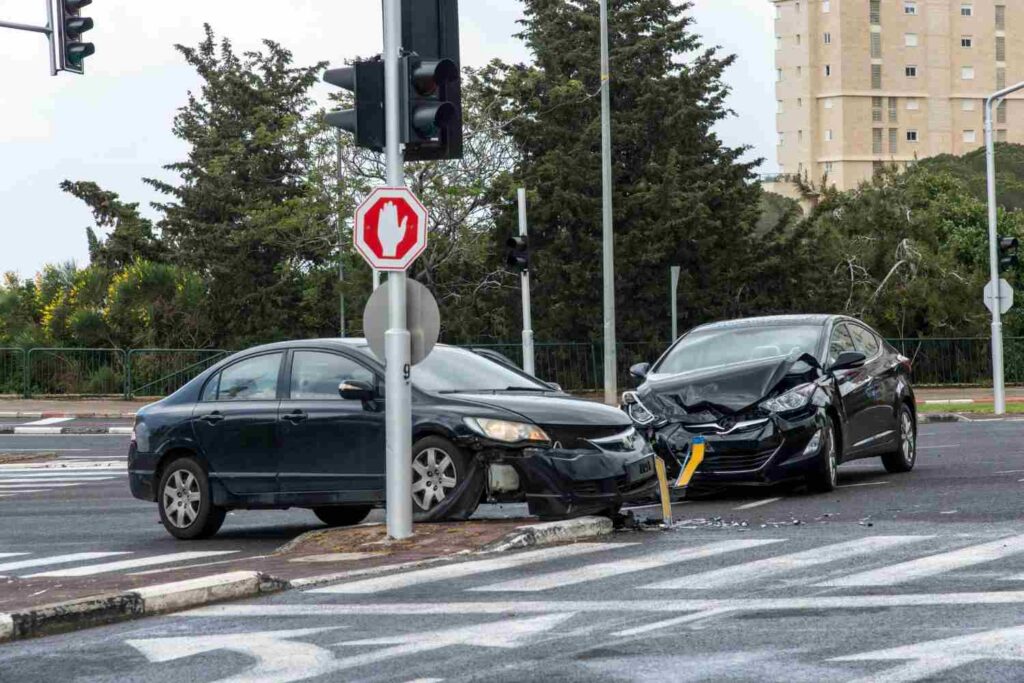
Cameras May Capture What Drivers Missed
Many intersection cases no longer rely on two conflicting accounts of what happened.
Depending on the location, useful video may come from:
- Traffic cameras.
- Nearby businesses.
- Residential security systems.
- Dash cameras.
- Buses or commercial vehicles.
- Doorbell cameras near the intersection.
Video can sometimes establish the sequence of events more accurately than memory alone. It may show when a vehicle entered the intersection, which direction each party was traveling, whether someone stopped, or how much time passed before impact.
Because recordings may be routinely overwritten, identifying potential video sources quickly can be important.
The Vehicles Can Also Tell Part of the Story
Even without video, the collision itself can leave evidence.
Vehicle damage may help establish the angle and location of impact. Skid marks, debris, final resting positions, and roadway markings may provide additional information. In some cases, electronic vehicle data can offer evidence about speed, braking, steering, or other activity immediately before a crash.
Witness statements can add another perspective, particularly when independent witnesses saw the vehicles before the collision rather than only its aftermath.
Taken together, these details can create a much fuller picture than either driver’s initial statement.
“I Didn’t See You” Does Not Automatically Resolve Fault
After a serious Utah intersection crash, the question is not simply whether the other driver says they saw you.
The investigation may instead focus on whether you were there to be seen, whether you had the right of way, what each person was doing before impact, and whether reasonable attention could have prevented the collision.
Those questions matter most when an insurance company uses the other driver’s account to dispute liability or place some blame on the injured person.
Let the Evidence Speak for What Happened
If you were injured in a Utah intersection crash and the other driver claims you “came out of nowhere,” their version of events does not have to be the last word.
Swenson & Shelley can investigate the collision, identify available evidence, and determine what it shows about how the crash occurred. Call our Utah personal injury attorneys at 435-228-7647 or contact us online for a free consultation.
Kevin Swenson is an award-winning Utah injury attorney and co-founding partner of Swenson & Shelley. With over 30 years of experience, he uses his background as a former insurance defense lawyer to fight for injured individuals, helping clients recover and rebuild after serious accidents.
 (435) 767-7777