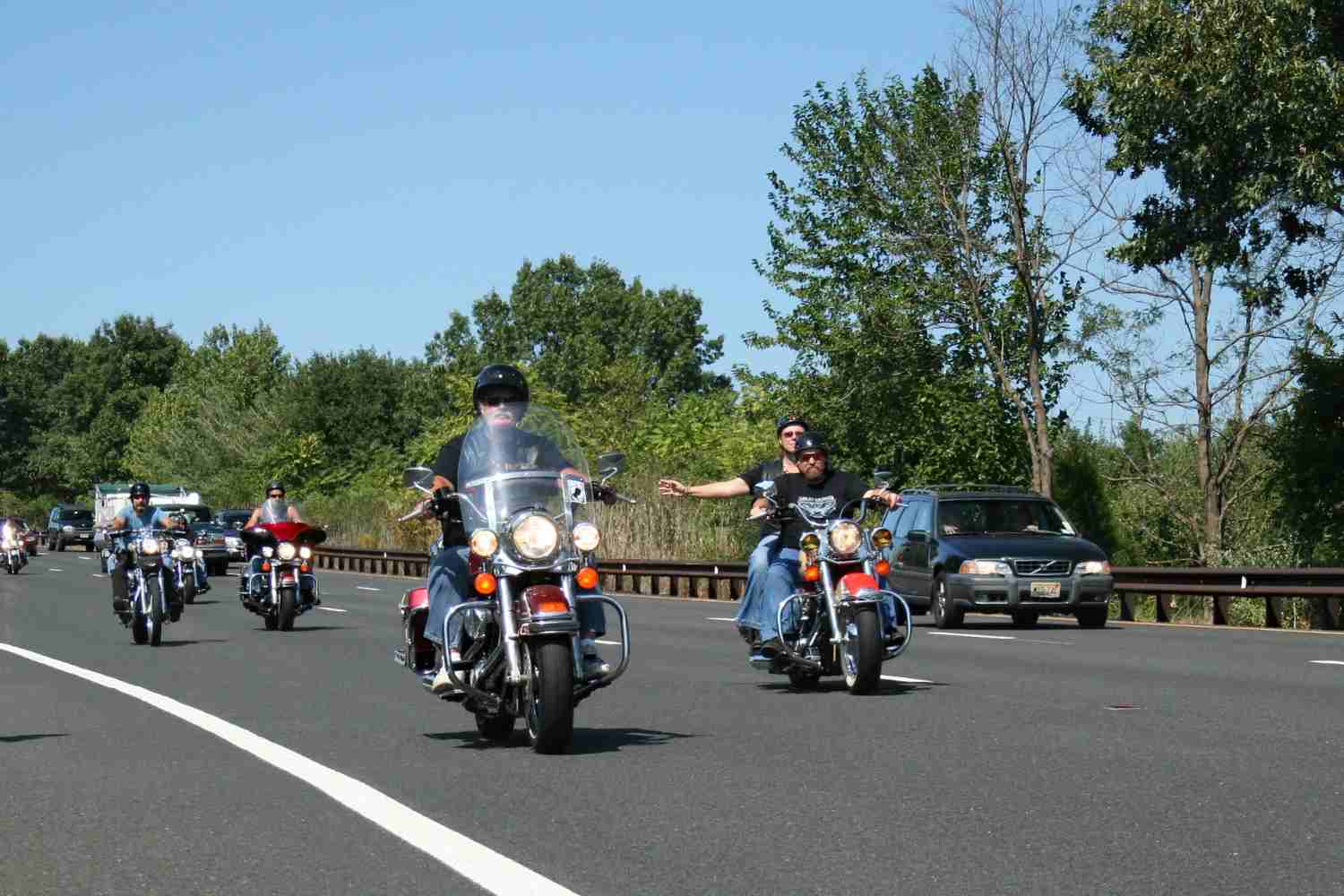
Group motorcycle rides are common on Utah highways, especially when good weather brings riders together for scenic mountain routes and trips through surrounding communities. Riding with friends or fellow enthusiasts can make the experience more enjoyable, but it also introduces considerations that don’t typically arise when someone rides alone.
When a collision occurs during a group ride, determining responsibility may involve examining several motorcyclists’ actions, the group’s formation, and the behavior of other motorists.
An injured rider should not automatically be blamed simply because they were participating in a group ride.
At Swenson & Shelley, our Salt Lake City motorcycle accident attorneys investigate how collisions occur and whether another rider, an outside motorist, or multiple parties contributed to the injuries.
How Can a Staggered Formation Affect a Motorcycle Crash?
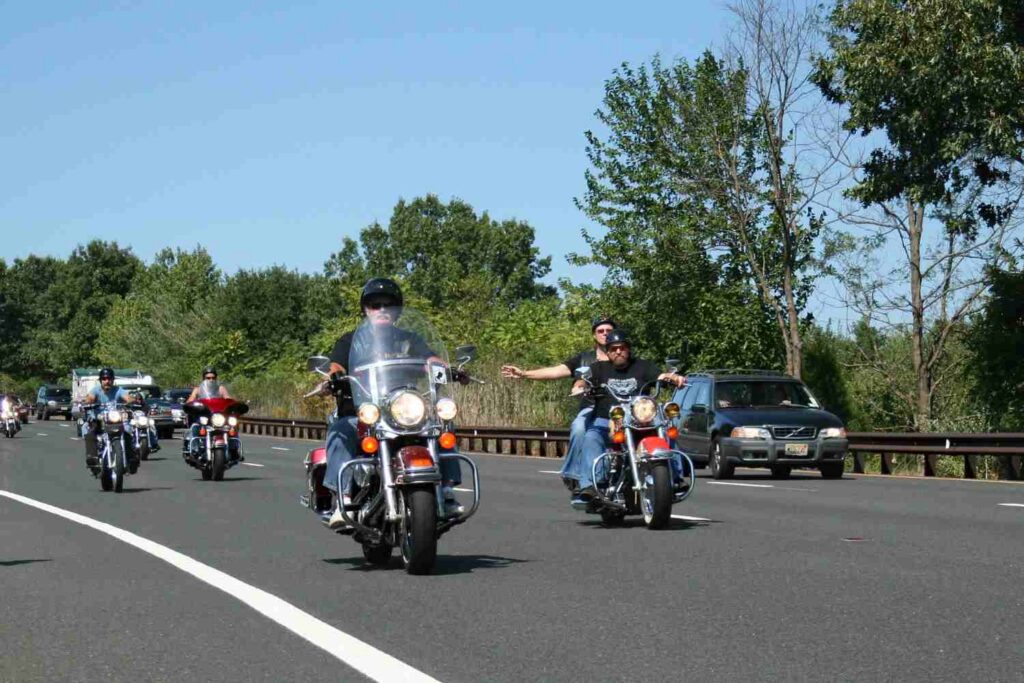
Motorcycle groups frequently use staggered formations, with riders positioned alternately toward the left and right portions of a travel lane.
This arrangement can provide additional space between motorcycles while helping riders maintain visibility.
However, problems may arise when riders follow too closely, change positions unexpectedly, or fail to account for changing traffic conditions.
For example, if the lead motorcycle brakes suddenly, riders behind it may have different amounts of time and space to react. A rider who moves out of formation without checking surrounding traffic could also create a dangerous situation.
Investigators may examine the spacing between motorcycles, their positions before impact, and whether individual riders maintained reasonable control.
What Happens When Riders Attempt to Pass One Another?
Passing maneuvers can create additional complications during group rides.
A motorcyclist may attempt to overtake another rider, pass a slower vehicle, or rejoin the group after becoming separated.
These maneuvers can become dangerous when riders misjudge available space, fail to communicate their intentions, or enter another vehicle’s path.
Passing within the same lane can be particularly hazardous because motorcycles need sufficient room to maneuver independently.
Utah law generally prohibits a motorcyclist from overtaking and passing another vehicle within the same lane, subject to applicable exceptions.
When a passing maneuver contributes to a crash, liability may depend on whether the rider followed traffic laws and exercised reasonable care.
Can Another Member of the Group Be Responsible?
Participating in the same motorcycle ride does not eliminate a rider’s individual responsibility for operating safely.
Suppose one motorcyclist makes an abrupt lane change, causing another rider to brake sharply and lose control. Even without direct contact, the first rider’s conduct may be relevant to determining liability.
Other situations may involve:
- Following another motorcycle too closely.
- Entering a lane without sufficient clearance.
- Making sudden or unpredictable maneuvers.
- Attempting an unsafe passing maneuver.
- Failing to maintain control during changing road conditions.
The fact that riders know one another or are traveling together does not necessarily determine who is legally responsible. Our attorneys will evaluate each person’s conduct based on the circumstances.
What if an Outside Driver Causes the Collision?
Not every group motorcycle accident begins with a mistake by someone participating in the ride.
A passenger-vehicle driver may misjudge the distance between motorcycles, turn across the group’s path, or try to merge into a space that is too small.
An outside motorist might also react to the first motorcycle without recognizing that several additional riders are approaching.
These situations can cause multiple collisions or force riders to make evasive maneuvers.
Investigators may examine whether the driver maintained a proper lookout, yielded when required, and allowed sufficient clearance before entering the group’s path.
Why the Actions of Multiple Riders Matter Under Utah Law
Utah follows a modified comparative negligence system. Utah may reduce an injured person’s compensation based on their percentage of fault, and recovery may be barred when their fault reaches the applicable statutory threshold.
In a group motorcycle collision, several individuals may be accused of contributing to the accident.
However, riding in a group does not, by itself, establish negligence.
Witness statements, helmet camera recordings, motorcycle damage, roadway evidence, and other available information may help reconstruct the sequence of events and distinguish one rider’s actions from another’s.
Get Answers After a Utah Group Motorcycle Accident
When several motorcycles are involved in a collision, determining liability requires more than identifying who fell or which vehicle made contact first.
Swenson & Shelley’s Salt Lake City motorcycle accident attorneys investigate the movements and decisions that led to serious crashes, including incidents involving multiple riders and outside motorists.
If you were injured during a group motorcycle ride in Utah, call Swenson & Shelley Law at 435-228-7647 or contact us online for a free consultation. We can review the circumstances of the collision, assess potential liability, and help you understand your options for pursuing compensation.
Kevin Swenson is an award-winning Utah injury attorney and co-founding partner of Swenson & Shelley. With over 30 years of experience, he uses his background as a former insurance defense lawyer to fight for injured individuals, helping clients recover and rebuild after serious accidents.
 (435) 767-7777