 (208) 823-2642
Experienced Auto Accident Attorneys in Boise, Idaho
 At Swenson & Shelley Law, our Boise auto accident attorneys understand the significant increase in vehicle collisions throughout Idaho is changing lives and families throughout the state.
According to the Idaho Transportation Department, last year was Idaho’s deadliest year on public roads in 20 years, with an estimated 277 people killed in traffic accidents. This was an increase of at least 25% in every category, with pedestrian deaths nearly doubling from 16 the previous year to 31 last year. Motorcycle deaths also increased from 29 to 40 over the same period.
Unfortunately, distracted driving is reported to be the number one cause of vehicle crashes in Idaho, making many of these collisions, injuries, and fatalities completely preventable.
At Swenson & Shelley, our Ada County auto accident lawyers know that those who survive these traumatic events are quickly overwhelmed physically, emotionally, and financially by the long recovery road ahead. We want to help each of these injury victims regain control of their lives, starting with a free consultation.
When the Worst Has Happened, We Fight for What’s Best for You.
Distracted Driving in Idaho is More Than Cellphone Use Behind the Wheel

On July 1, 2020, Idaho adopted a hands-free driving law banning handheld electronic devices while driving. Unfortunately, the law does not stop drivers from checking emails, sending text messages, and conducting searches on their cellphones while behind the wheel.
According to the National Highway Traffic Safety Administration, texting is the most alarming distraction. Sending or reading a text takes your eyes off the road for 5 seconds. At 55 mph, that’s like driving the length of an entire football field with your eyes closed.
However, distracted driving is more than cellphone use. It is any activity that diverts attention from driving and has deadly consequences throughout Idaho.
Common forms of distracted driving can be categorized into three main types: visual, manual, and cognitive distractions:
Visual Distractions
- Using a GPS or navigation system.
- Reading billboards or roadside advertisements
- Watching an event outside the vehicle.
- Checking mirrors excessively.
- Adjusting the radio or music player.
- Looking at passengers in the vehicle.
- Grooming, including applying makeup and fixing hair.
- Reading maps or documents.
- Looking at dashboard displays.
Manual Distractions
- Eating or drinking.
- Smoking or handling cigarettes.
- Changing controls, including climate or seat positions.
- Searching for items in the vehicle.
- Handling pets or children.
- Typing on a GPS or other device.
- Adjusting seat belts or other safety equipment.
- Opening or closing windows.
- Reaching for items in the back seat or glove compartment.
Cognitive Distractions
- Daydreaming or being lost in thought.
- Talking to passengers.
- Thinking about personal issues or problems.
- Listening to loud music or podcasts.
- Planning a route or next destination.
- Experiencing strong emotions, including anger or excitement.
- Engaging in deep conversation, including hands-free or in-person.
- Worrying about driving conditions or vehicle performance.
- Mentally replaying or preparing for an event.
- Being under the influence of medications affecting focus.
If you have been injured or lost a loved one in a car accident caused by a distracted driver in Idaho, contact our experienced auto accident attorneys in Boise today to discuss your case during a free consultation.
How Can the Boise Car Accident Attorneys at Swenson & Shelley Prove Distracted Driving Caused My Injuries?
Proving that the other driver was distracted during an accident can be crucial for our Boise personal injury attorneys to secure compensation for injuries and damages. While each client’s crash circumstances are unique, there are several methods we might use to establish that the other driver was driving while distracted.
They include, but are not limited to:
Obtaining Phone Records
- Cell Phone Usage: Subpoena the other driver’s phone records to determine if they were texting, calling, or using apps during the accident.
- Text Messages: Examine the content and timestamps of text messages sent or received during the crash.
Eyewitness Testimonies
- Passenger Statements: Gather statements from passengers in either vehicle who might have observed the other driver’s behavior.
- Other Witnesses: Collect testimonies from other drivers, pedestrians, or bystanders who saw the accident and can confirm distracted behavior.
Police Reports
- Officer Observations: Use observations and notes from the responding officers who might have detected signs of distraction, such as a phone in the driver’s hand.
- Traffic Citations: Check if the other driver was cited for distracted driving or related infractions.
Surveillance Footage
- Traffic Cameras: Obtain footage from nearby traffic cameras that might show the driver’s behavior before the accident.
- Security Cameras: Use video from local businesses or homes with security cameras that capture the accident.
Vehicle Data
- Event Data Recorders (EDRs): Analyze data from the vehicles’ EDRs to understand the actions taken just before the crash, such as sudden braking or steering maneuvers.
- Infotainment Systems: Investigate if the vehicle’s infotainment system was in use, indicating possible distractions.
Social Media Activity
- Posts and Updates: Check if the other driver posted updates, photos, or videos on social media platforms around the time of the accident.
- Live Streaming: Determine if the driver was live streaming while driving, which can be clear evidence of distraction.
Behavioral Evidence
- Erratic Driving: Demonstrate erratic or unusual driving behavior consistent with distraction, such as weaving or inconsistent speeds.
- Lack of Reaction: Highlight a lack of reaction, such as failing to brake or swerve, indicating the driver was not paying attention.
Proving distracted driving requires a comprehensive approach, combining multiple sources of evidence to build a strong case. Our experienced car accident attorneys in Boise will utilize these methods to demonstrate that the other driver’s distraction caused the accident and your injuries, aiming to secure the compensation you deserve.
We Also Focus on the Following Areas in Boise, Idaho
Contact Our Dedicated Auto Accident and Injury Attorneys in Boise, Idaho for Help Today
Call us today at (208) 823-2642 or contact us online to schedule a free, no-obligation consultation. During this consultation, you can learn immediately whether your claim is eligible for legal action.
We do not charge any fees upfront for our services. Instead, you pay us only if we secure payment for you. That makes getting legal help accessible and allows you to focus on your recovery. Contact us now to learn more.
Our Boise Attorneys Client Review
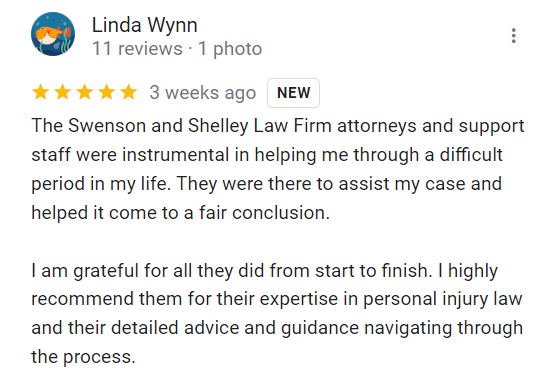
Please click here to give a review today
Related Links:
- Happening Now: The Most Dangerous Time of Year for Car Accidents
- Common Causes of Car Accidents
- Car Accidents: The Psychological Aftermath
- 3 Car Accident Tips
- Car Accident Claim Value
- Differences Between Car and Bus Accidents
- Understanding Your Rights After a St. George Car Accident
- 3 Questions About Utah Car Accident Claims
- Self-Driving Car Accident in Utah
- Drunk Driving Car Accident Claim in Utah
Frequently Asked Questions for Car Accident Attorneys in Boise, Idaho
What should I do immediately after a car accident in Boise?
After a car accident in Boise, ensure everyone is safe and call emergency services if needed. Exchange information with other drivers. Seek medical attention even if you don’t feel injured. Contact Swenson & Shelley Law to discuss your legal options and protect your rights.
How can an auto accident attorney help me with my case in Boise?
An auto accident attorney from Swenson & Shelley Law can assist by investigating the accident, gathering evidence, negotiating with insurance companies, and advocating for your rights in court if necessary. Our goal is to ensure you receive fair compensation for medical expenses, lost wages, and pain and suffering.
What types of compensation can I receive after a car accident in Boise?
Compensation may include medical expenses, lost wages, property damage, pain and suffering, and future medical costs. Swenson & Shelley Law will work to secure a settlement that covers all your losses and ensures you are fully compensated for the impact of the accident on your life.
What is the statute of limitations for car accident cases in Idaho?
The statute of limitations for car accident cases in Idaho is generally two years from the date of the accident. However, there may be exceptions, so it’s crucial to consult with an attorney to determine the specific timeline for your case.
What if the insurance company offers me a settlement right after the accident? Should I accept it?
It’s important to be cautious when accepting a settlement offer from an insurance company immediately after an accident. Often, these offers are made to minimize the payout and may not fully cover your medical expenses, future care, or lost wages. Before accepting any offer, consult with Swenson & Shelley Law to ensure the settlement reflects the true value of your claim.
What should I do if the other driver's insurance company is not cooperating?
If you encounter difficulties with the other driver’s insurance company, it’s essential to have a knowledgeable auto accident attorney on your side. They can help you navigate the insurance claims process and protect your interests.
Can I still file a claim if the accident was partly my fault?
Yes, you may still be eligible to file a claim even if you were partially at fault for the accident. Idaho follows a comparative fault system, which means compensation can be reduced based on your percentage of fault. Swenson & Shelley Law will work to ensure you receive fair compensation despite any shared responsibility.
How long will it take to resolve my car accident case in Boise?
The time it takes to resolve a car accident case depends on the complexity of the case, the severity of your injuries, and the willingness of the insurance company to negotiate a fair settlement. Some cases may settle in a few months, while others could take longer if litigation is necessary. Swenson & Shelley Law will keep you informed throughout the process and work efficiently to resolve your case.